
How-To Use & Care
Cooler Accessories Guide: Maximize Cold, Minimize Waste
Seven field-tested accessories extend cold time, keep food safely below 40°F, and cut ice runs and waste - delivering more cold per dollar without upgrading your cooler.
As a fisherman who's spent decades preserving catch quality from deck to dock, I know cooler maintenance is where most people undermine their cold chain before they even pack ice. Cleaning portable coolers isn't just about appearances (it is the critical foundation for reliable temperature control, elimination of harmful bacteria, and ensuring your hard-earned catch or provisions stay pristine). Cold chain starts at the gills and ends at the plate, and that chain snaps the moment musty odors take root in your cooler's crevices.
Musty smells signal microbial growth that's actively compromising your cooler's integrity. After draining your cooler post-trip, residual moisture trapped in gasket channels, under drain plugs, or in the corners of the liner creates a breeding ground for mold and bacteria. When I see slimy film forming where the lid meets the basin (a common oversight during rushed cleanups), I know that cooler's days of reliable performance are numbered. This isn't just unpleasant; it's a food safety hazard that accelerates ice melt and undermines insulation efficiency.
Plastic cooler care requires special attention to these micro-environments because polymers absorb odors over time. Even stainless steel cooler cleaning demands vigilance, as metal surfaces can harbor biofilm if not properly treated. Whether you're hauling fish or family picnic fare, ignoring these hot spots means your cold chain fails before it begins. Once your cooler is clean and dry, learn how to pack a cooler to maintain safe temperatures and prevent future odor issues.
My years testing marine coolers taught me that 90% of odor problems are preventable with a 5-minute post-trip sequence. This isn't just cleaning; it is active preservation of your cooler's thermal performance:
This basic sequence prevents 95% of odor issues by eliminating the moisture that enables mold growth. Never skip this step, even if you're exhausted after a long trip.
For coolers used regularly, this weekly regimen handles cooler odor removal while maintaining structural integrity. I developed this protocol after seeing how many fishermen lose catches to preventable contamination:
Step 1: Sanitize with Precision
Step 2: Targeted Treatment for Stubborn Odors For persistent mustiness:
Step 3: Final Rinse and Dry
Seasonal cooler storage separates those who replace coolers annually from those who get a decade of reliable service. Here's my marine-tested protocol:
This method prevents the musty smell that plagues coolers pulled from storage after winter. I learned this the hard way after discovering a ruined gear bag alongside my neglected cooler (musty odors don't stay contained).
My work inspecting cooler drainage systems reveals these often-missed maintenance points:
Plastic cooler care requires patience with these details. Unlike stainless steel cooler cleaning where visible corrosion signals problems, polymer coolers silently degrade when maintenance is neglected.
Forget complicated systems; here is what works for busy anglers and families:
After Every Use:
Weekly (During Season):
End of Season:
This routine costs nothing but 10 minutes of your time yet preserves your cooler's performance for years. When I see colleagues struggling with musty coolers on the dock, I know they're undermining their hard work (just like that tuna trip where proper slurry techniques saved the day).
Chill shock beats cube dumping, but only when your cooler is functioning at peak capacity. Make these maintenance steps non-negotiable in your routine. Your catch, your crew, and your peace of mind depend on it.
Your next step: Tonight, after dinner, take 10 minutes to perform the daily drain protocol on your cooler. Check those gasket channels, ensure complete drainage, and position it to dry properly. This simple act will prevent tomorrow's musty surprise when you pack for your next trip.
Seven field-tested accessories extend cold time, keep food safely below 40°F, and cut ice runs and waste - delivering more cold per dollar without upgrading your cooler.
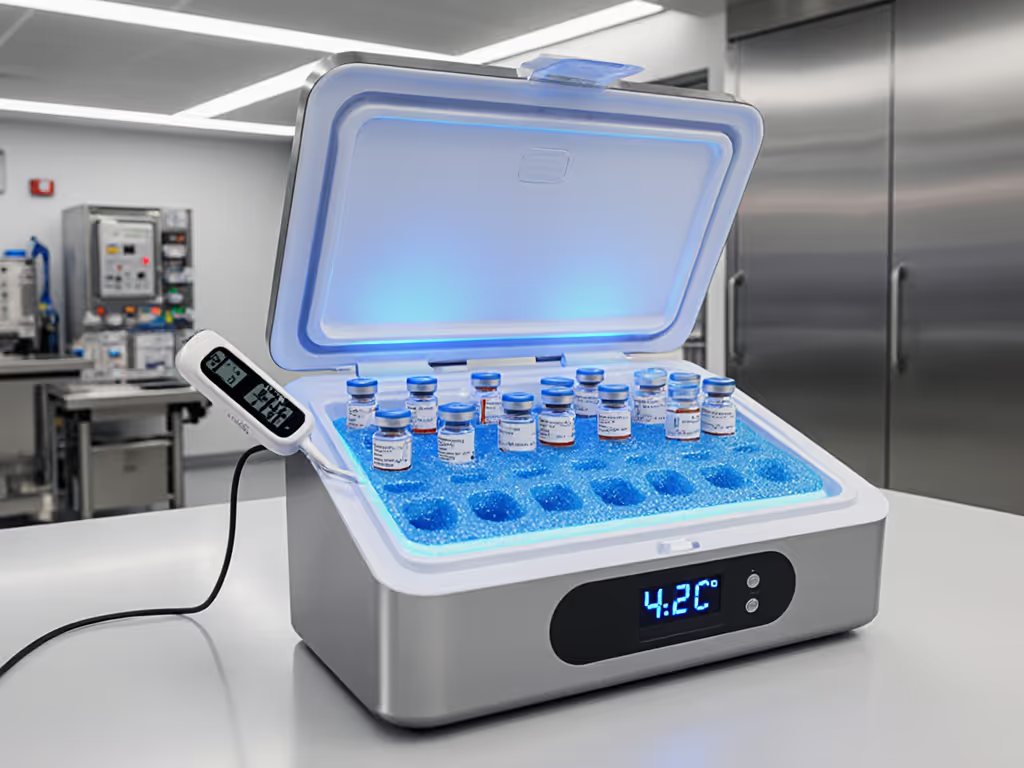
Keep medications safely between 2–8°C using lab-tested metrics and simple packing rules. Learn the exact ice-per-quart-per-hour needed, when to use 4°C gel packs, how openings cut hold time, and how to validate your setup before travel.
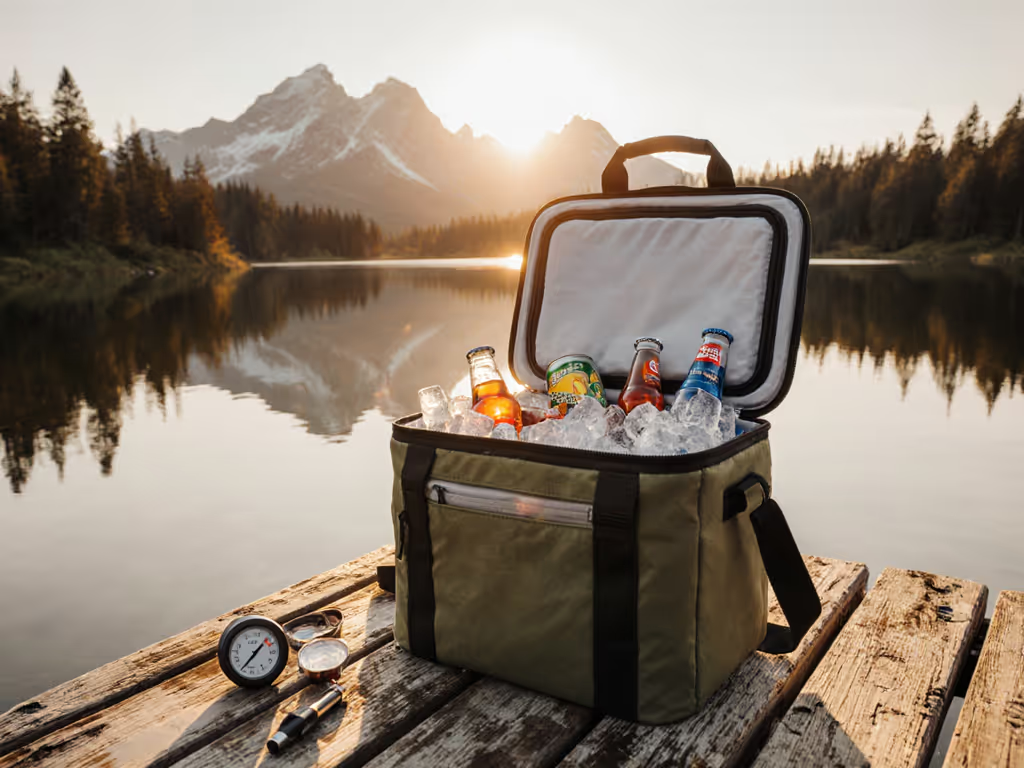
Use a 2:1 ice-to-content ratio to make soft coolers perform predictably in heat. Apply pre-chilling, ice layering, zoning, and access control to extend hold time, protect food safety, and cut downtime.
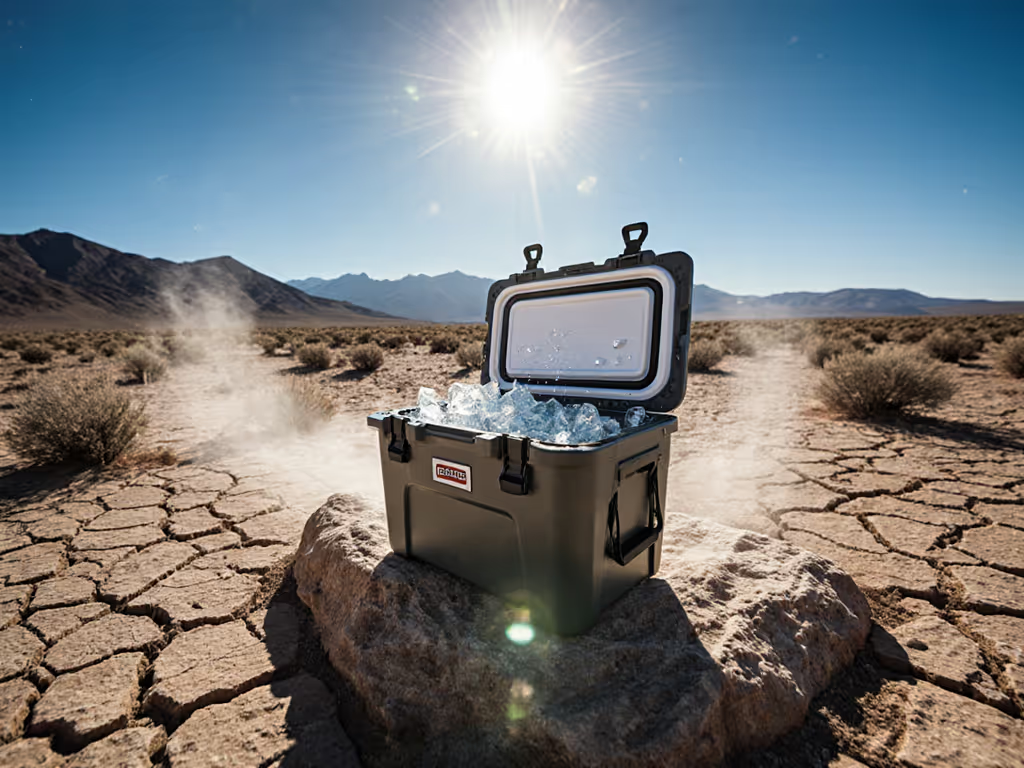
Get field-tested, climate-specific tactics to keep food safe and drinks cold while spending less - covering ice choice, pre-chilling, shade and packing techniques, smarter draining, and a simple calculator to right-size your ice. Optimize for cold hours per dollar in desert heat, tropical humidity, and freezing conditions.
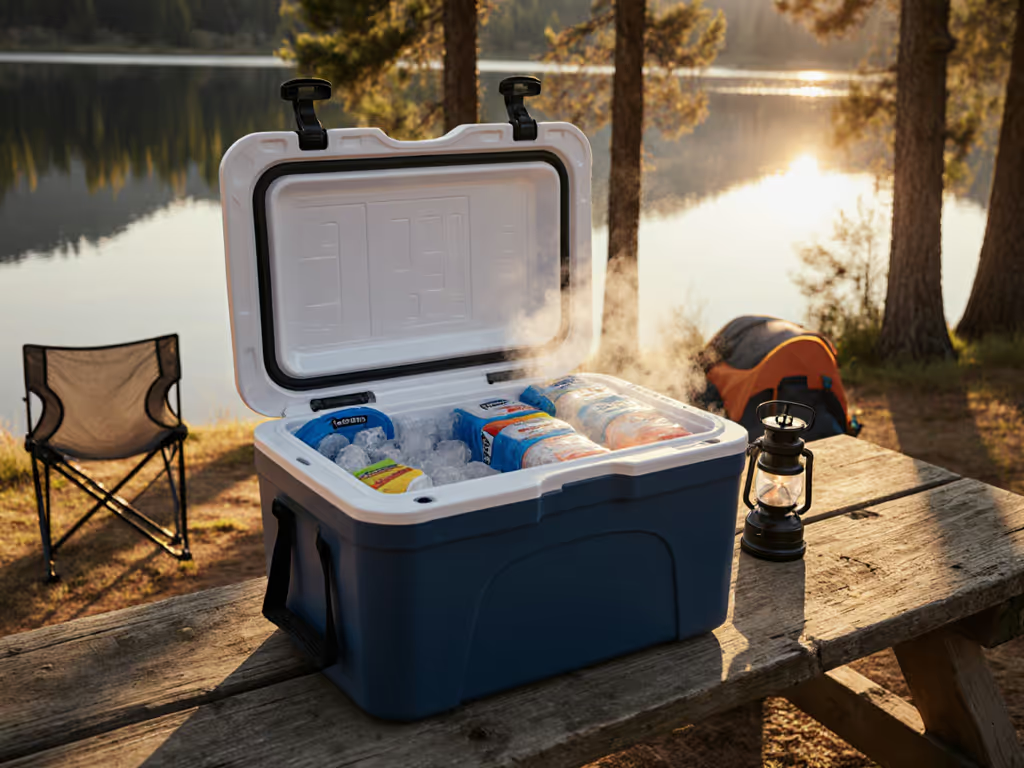
Pack for people, not charts: pre-chill from the fridge, build labeled zones, and match ice to opening patterns to keep food safe and serve faster. Shade and lid strategies plus sealed bins make access easy and teardown a 10-minute task.