Best Pet-Friendly Coolers: Keep Food Safe & Cold
By Diego Alvarez • 23rd Feb
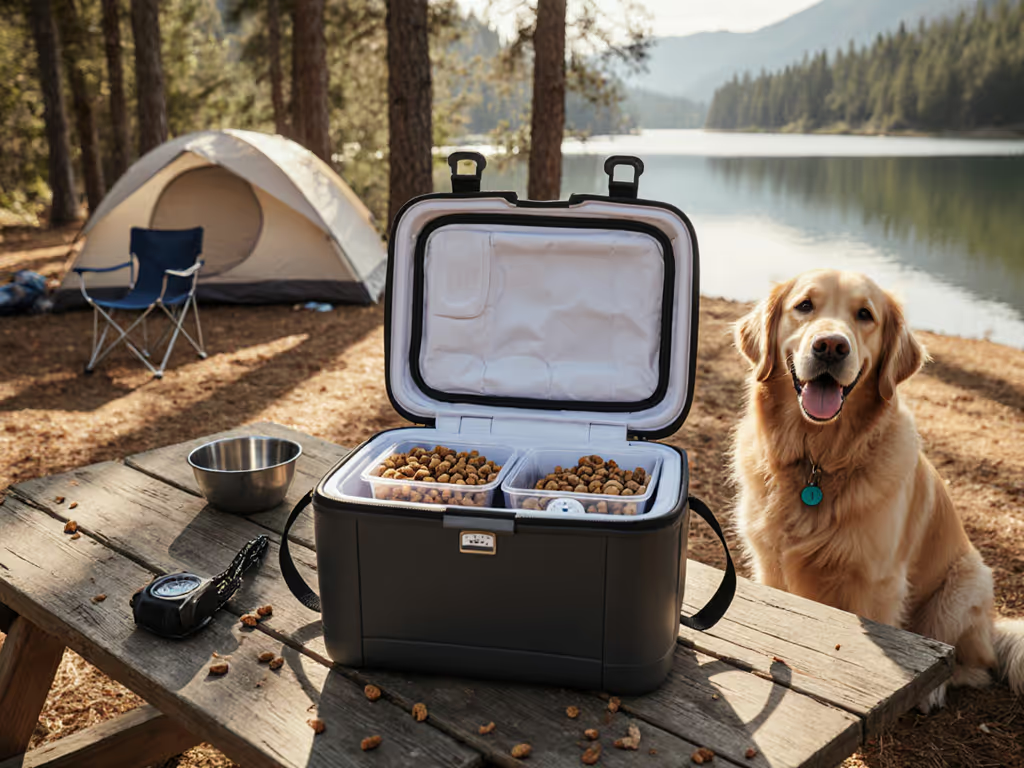
When your retriever's kibble or raw-diet components spend hours in the sun, the cold chain breaks just as fast as it does on a fishing deck. Comparing pet-friendly coolers demands the same rigor I apply to fish: temperature control, drainage integrity, and packing sequence matter far more than ice volume alone. This guide cuts through cooler marketing to show coolers for pet owners that actually keep food safe, not just cold-looking.
Why Cold Chain Integrity Matters for Pet Food
Pet owners often underestimate how quickly raw meals, fresh treats, and kibble begin to degrade in heat. Unlike a cooler that runs warm mid-trip and simply ruins a sandwich, a pet food cooler that drifts above 40°F/4°C for even three hours risks bacterial growth that affects your dog's health invisibly. For safe handling principles and temperature thresholds, see our cooler food safety guide. I learned early that cold chain starts at the gills and ends at the plate, and the principle holds for Fido's dinner too.
The stakes are highest for raw-diet feeders: ground meat, organ meats, and bone broths demand consistent sub-40°F storage. Even kibble absorbs moisture and heat faster than most assume, especially in sealed bags on dark truck beds. Add frequent lid openings (dogs waiting for mealtime, family snacks), and most budget coolers lose their grip on temperature within 4-6 hours in summer conditions.
The solution is not more ice; it's method. Pre-chilling your cooler before packing, using a thermal mass strategy that minimizes air intrusion, and selecting a cooler with true drainage and gasket integrity. A mediocre cooler stuffed with twice as much ice will still fail if it opens every 30 minutes or sits in direct sun.
Coolers for Pet Owners: Compare by Real-World Use Cases
Day Trips & Camping: Orca 40-Quart Classic
The Orca 40-Quart Classic keeps ice cold for five days in 90°F+ heat (real, tested performance). For a family camping trip with a dog, this translates to reliable sub-40°F storage for 6-8 hours even with frequent opening. It excels for pet owners because the drainage system removes nearly every ounce of meltwater, preventing soggy kibble bags and floating treat packs.
Why it works:
- Lock-down lid seals cleanly, reducing heat infiltration from repeated access
- Smooth interior surfaces drain completely and clean effortlessly
- 40-quart capacity fits a dog's raw meals, human food, and ice without overcrowding
- Ergonomic handles manage the ~30 lb. loaded weight on uneven ground or boat decks
When to choose it: Weekend warriors, family road trips, multi-day camping, or anglers who also bring their hunting dogs.
Heavy-Duty & Extended Trips: Pelican Elite
If you're heading to remote campsites, backcountry hunting trips with your dog, or multi-day fishing expeditions where resupply isn't an option, the Pelican Elite kept 20 pounds of ice solid for 108 hours in 90°F+ conditions. That's genuine resilience (a full 4+ days of sub-40°F reliability for your dog's raw meals and your crew's food).
Built-in advantages for field work:
- Three padlock holes prevent tampering on shared campsites or worksites
- Lifetime warranty on the plastic body justifies the investment cost
- Larger 50-quart capacity means you can load more ice and pack pet food separate from human meals, reducing cross-contamination risk
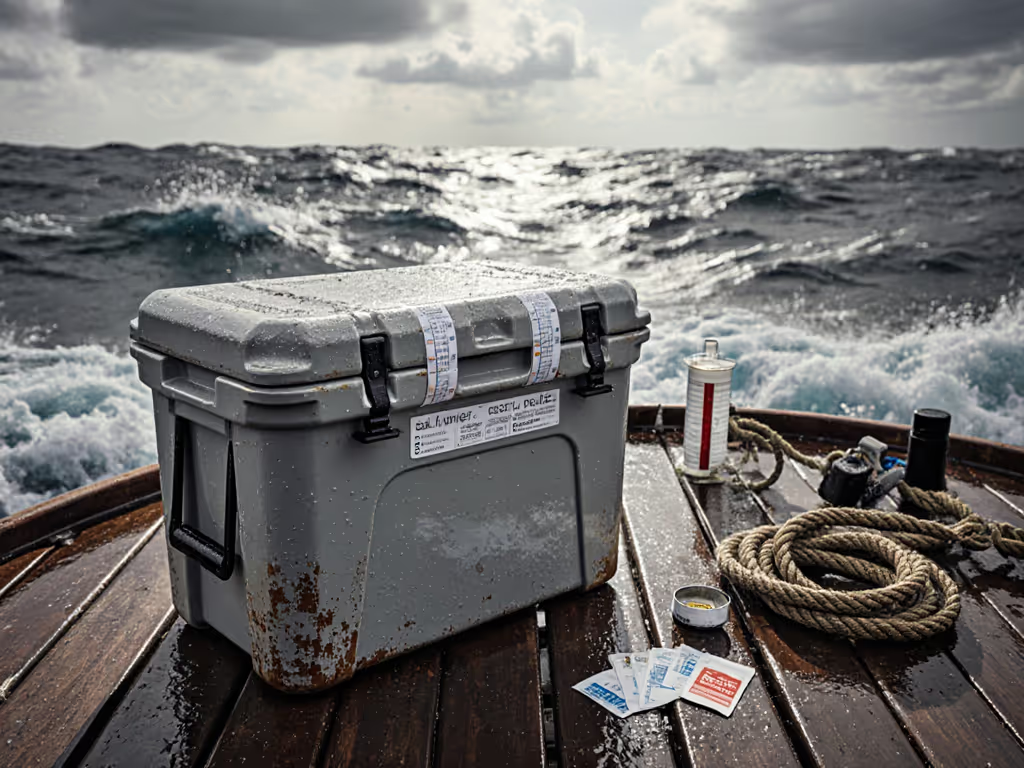
- Angler's ruler and bottle opener are bonuses, but the real win is the durable latch and gasket that remain reliable after years of wet-deck abuse
Trade-off: Slightly harder to clean than the Orca, and heavier once loaded, but durability and performance in extreme heat make it worth the extra effort for serious trips.
Budget-Conscious: Igloo MaxCold Series
Not every trip requires premium insulation. If you're doing day trips under six hours in moderate temperatures, or you're running a worksite cooler for a crew's hydration, the Igloo MaxCold 50-quart delivers solid performance-to-price value. It will not match the Orca or Pelican for multi-day heat resistance, but it keeps food safely cold for typical half-day outings.
Real limitation: Frequent opening and full-sun exposure degrade performance faster than rotomolded options, so this cooler works best with discipline: pre-chill it, load it smartly, and limit lid-opens until you're ready to serve.
Packing Recipes: The Sequence That Preserves Temperature
Bleed, bag, and bury in brine (or in this case, pre-chill, layer, and seal tightly). The sequence matters more than raw ice count.
The Pre-Chill Step (Non-Negotiable)
Place your empty cooler in a freezer or fill it with ice and water for 2-4 hours before packing. For step-by-step packing methods that maximize cold zones, follow our how to pack a cooler guide. This drops the interior to near 32°F, so the first hour of food storage doesn't waste ice bringing the cooler itself from 70°F down to 40°F. Most pet owners skip this and then overcompensate with extra ice, adding weight and space waste.
The Packing Order
- Bottom layer: 3-4 inches of ice (block ice if available; it melts slower than cubes)
- Thermal mass: Pre-frozen gel packs or sealed bottles of water - these provide steady, consistent cooling and don't puddle as meltwater
- Pet food in sealed bags: Raw meals in airtight containers, kibble in waterproof bags, treats in sealed pouches. Separation from human food reduces cross-contamination
- Human food (if mixed cooler): Beverages, lunch items, vegetables - above the pet food
- Top layer: Final 2-3 inches of ice, then the lid sealed tight
Air Gaps Kill Cooling
Empty space inside the cooler forces ice to work harder. If your pet food packs do not fill the cavity, fill gaps with rolled towels or closed foam blocks, not with more ice, which just adds weight. A tightly packed cooler loses cold far slower than one with voids that let warm air circulate.
Temperature Checkpoints: Know It's Working
Pet food safety hinges on staying below 40°F/4°C. Use a simple cooler thermometer (adhesive strip on the interior wall) or clip a small digital probe to one of your pet food bags at the start of the trip. Check it hourly during the first 2-3 hours to confirm the cooler is holding. If temperature is drifting above 40°F by hour 4, your packing sequence or pre-chill failed, so adjust for next time.
In extreme heat (95°F+), even the best coolers will warm slightly if opened every 15-20 minutes for snacks or drinks. Mitigate this by setting up a "snack station" outside the main cooler: keep only today's treats and drinks in a small soft cooler, and refill from the main cooler once per hour rather than raiding it constantly. It makes a clear difference.
Material & Design: What Actually Protects Food
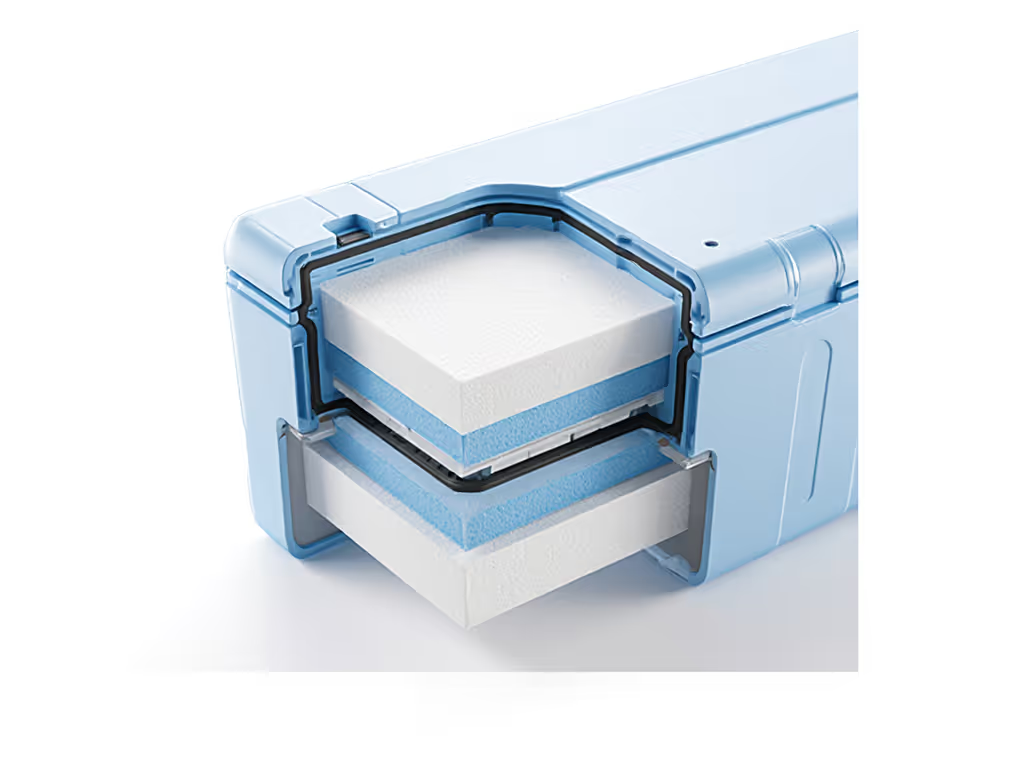
Rotomolded polyethylene (YETI, Orca, Pelican) outperforms injection-molded plastic in sustained heat. If you want to understand why, our cooler insulation materials breakdown explains foam types, wall thickness, and real heat transfer trade-offs. The difference is measurable: a rotomolded cooler loses 3-5°F per hour in extreme conditions; injection-molded coolers lose 8-12°F per hour. Over a 6-8 hour day trip, that gap means the difference between your dog's raw meal staying safely frozen versus entering the danger zone.
Gasket quality and drain plug accessibility also separate premium coolers from budget options. A cooler with a worn gasket will lose cold as fast as one opened every hour. A drain plug that clogs or does not drain completely creates stagnant meltwater, a vector for bacteria and mold, the opposite of what a pet food cooler should do.
Pet-Safe Cooler Materials: Avoiding Toxins
Most modern coolers (Orca, YETI, Pelican, Igloo) use food-contact-safe plastics and non-toxic foam insulation. However, confirm the cooler does not use older BPA-laden plastics or urethane foam that degrades into particles over years of wear. Check the manufacturer's material list; premium brands publish this openly.
Avoid old insulation foams that crumble or absorb odors. Dogs will chew on cooler interiors if given the chance, and flaking insulation is a genuine hazard. If you're inheriting a used cooler, inspect the interior for degradation before using it for pet food storage.
Ice Quantity & Type: The Math
Standard rule: 1-1.5 pounds of ice per quart of cooler capacity per 24 hours of storage, in moderate conditions (60-75°F ambient). In hot conditions (90°F+), increase to 2 pounds per quart per 24 hours. Use our 2:1 ice ratio guide to dial ice type and quantity for soft and hard coolers by season.
For a 40-quart cooler on a full-day trip (8 hours) in summer heat:
- Base ice: 40 qts x 1.5 lbs/qt / 3 (for 8 hours instead of 24) = ~20 lbs of ice
- Add 5 lbs extra if the cooler sits in direct sun or you'll open the lid 10+ times
- Total: ~25 lbs of ice for reliable sub-40°F performance
Ice types:
- Block ice: Melts slower; ideal for multi-day trips. Single 10-15 lb block lasts longer than fragmented cubes
- Cubes: Melt faster but conform to shapes better for packing. Good for day trips and mixed-use coolers
- Gel packs & frozen water bottles: Do not melt into puddles; extend cooling without meltwater cleanup. Essential if your dog's food bags sit directly in meltwater
Drainage & Meltwater Management
This is where most coolers fail pet owners. A drain plug that does not empty completely leaves a meltwater reservoir at the bottom, a perfect breeding ground for bacteria, and it soaks any food that sits on the floor.
Check your cooler's drain before the trip: fill it with water, let it sit for 10 minutes, then open the drain and confirm it empties completely in under 30 seconds. If water pools at the corners or the plug does not seal fully when closed, that cooler is not food-safe for long trips. The Orca and Pelican both drain reliably; many budget coolers do not.
For multi-day trips, drain your cooler twice daily, morning and evening, even if it does not look full. This removes bacterial risk and refreshes the cold sink around your food.
Real-World Trade-Offs: Size, Weight & Portability
A 40-quart Orca holds enough for 2-3 people and one dog for 8 hours. To right-size capacity for your dog, group, and trip length, run the cooler size calculator. A 50-quart Pelican holds more but weighs 35+ lbs when fully loaded, which is awkward to move from truck to campsite or boat. A smaller 26-quart cooler is portable but requires frequent restocking or limits capacity for raw-diet dogs on extended trips.
Match cooler size to trip length and opening frequency:
- 4-6 hour day trips: 26-32 qt cooler, 10-15 lbs loaded, portable
- Full-day trips (8 hrs): 40 qt cooler, 30-35 lbs loaded, two-person carry or cart
- Overnight & multi-day: 50+ qt cooler, pre-position it; don't plan to move it constantly
If portability is critical, sacrifice pure ice retention and invest in a smaller rotomolded cooler (YETI Roadie 48 or Orca 40) over a larger injection-molded budget option. You'll carry less weight and still keep pet food safe. Your back will thank you.
Building Your Cooler Kit
Beyond the cooler itself, assemble:
- Pre-frozen gel packs (reusable; don't puddle like ice)
- Sealed containers or waterproof bags for pet food
- Cooler thermometer to verify temperature
- Drain tray or absorbent mat to catch meltwater before it pools
- Divider baskets to separate pet food from human food and drinks
- Roll of ice (cubes) for refill, stashed in a backup soft cooler or insulated bag
- Dish towel or microfiber cloth for draining and wiping the interior
This kit costs ~$80-120 beyond the cooler itself, but it transforms a mediocre cooler into a reliable cold chain that keeps your dog's food safe and your trip organized.
Final Steps: Know Your Trip, Know Your Cooler
Before each trip, ask three questions:
- How long is the cooler open to heat? If you're stopping at a beach or campfire for 4 hours with frequent access, your cooler needs extra ice and perhaps an insulated bag for the items you'll access most.
- What's the ambient temperature forecast? If it's 85°F at 9 a.m. and climbing to 95°F by midday, account for the worst case and pre-chill harder.
- Will you resupply ice? If yes, pack less and plan a halfway ice run. If no, calculate total ice upfront and don't skimp.
A cooler that kept food safe on your last trip to a 70°F valley may fail in direct sun at 95°F without adjustment. The method changes; the principle does not.
Recommended Coolers by Use Case
| Use Case | Best Cooler | Capacity | Ice Retention | Why |
|---|---|---|---|---|
| Day trip, 6-8 hrs | Orca 40-Quart | 40 qt | 5 days in 90°F+ | Reliable drainage, portable, consistent performance |
| Multi-day camping | Pelican Elite | 50 qt | 4+ days | Maximum durability, warranty, extreme heat resilience |
| Budget-conscious | Igloo MaxCold 50 | 50 qt | 8-10 hrs | Good value; discipline required on packing & opening |
| Fishing & hunting trips | Pelican Elite | 50 qt | 4+ days | Angler features, field durability, crew capacity |
| Portability priority | YETI Tundra 45 | 37 qt | 10 days | Excellent ice retention, lighter handling, premium build |
Take Action: Plan Your Next Trip
Choose your cooler based on your most common trip length and climate, not your "perfect" scenario. A 40-quart rotomolded cooler (Orca or equivalent) solves 80% of pet owner needs: day trips, camping weekends, fishing with dogs, and family road trips. If you're venturing into heat extremes (desert camping, remote backcountry, or extended trips), invest in the Pelican Elite and know you've bought a tool that will outlast the vehicle it rides in.
Before your next outing, pre-chill your cooler, gather your ice and gel packs, seal your pet's food in waterproof containers, and check the interior thermometer at the 4-hour mark. That discipline, cold chain integrity from deck to table, is what separates spoiled food from a safe meal and a healthy dog.
Related Articles