
How-To Use & Care
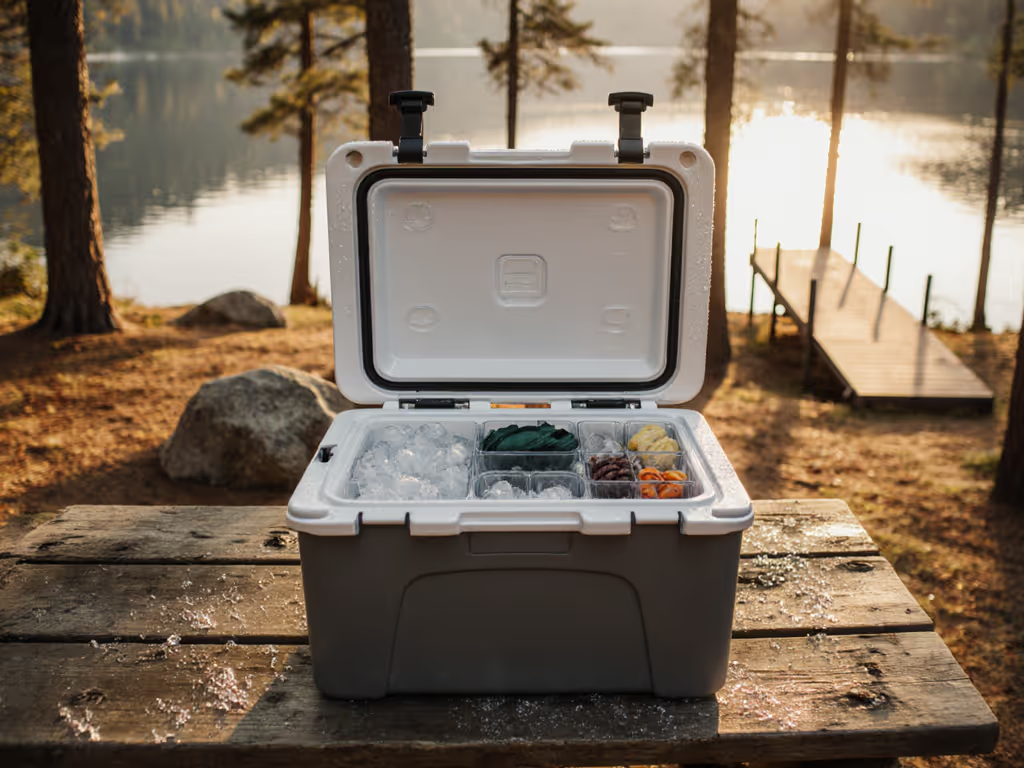
Cooler Accessories Guide: Maximize Cold, Minimize Waste
Seven field-tested accessories extend cold time, keep food safely below 40°F, and cut ice runs and waste - delivering more cold per dollar without upgrading your cooler.
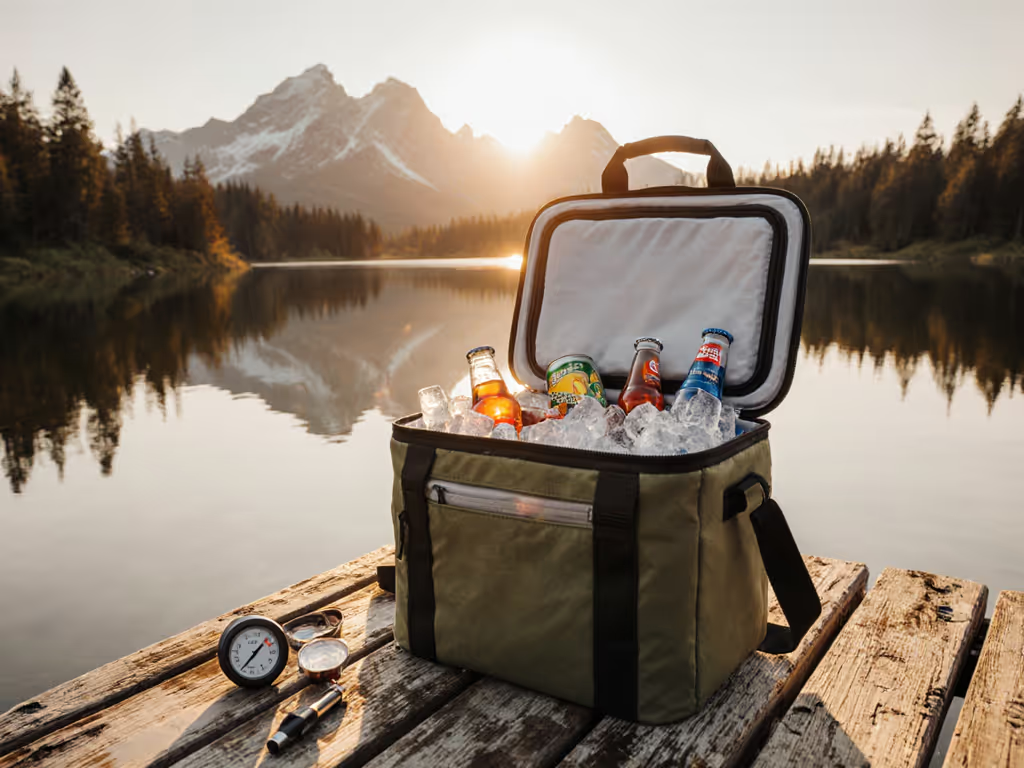
When your crew's productivity hinges on reliable cold on a 102°F jobsite or a week-long fishing charter, optimal cooler ice usage isn't optional, it is operational risk management. For soft ice cooler users, the 2:1 ice-to-content ratio (by volume) is the bedrock of consistent performance. Ignore it, and you'll face melted lunches, safety compromises, and costly downtime. Master it, and you turn cold storage into a predictable workflow asset. Cold chain is part of safety.
Soft coolers excel at portability and space efficiency, but their thinner insulation demands stricter ice discipline than hard-sided models. Most users underpack ice, assuming "a few bags" suffice. Reality check: Ice retention techniques fail when ice-to-content ratios dip below 2:1. Here's why:
Cold that survives chaos is the only cold that counts.
I've seen crews assume their soft cooler failed when packing failed them. On a Gulf Coast asphalt crew last summer, warm coolers triggered a 22-minute productivity drop per hour after lunch. The root cause? A 1:1 ice ratio and unpre-chilled contents. Fixing the ratio alone added 5.3 hours of safe hold time.
Pre-chilling coolers isn't a "pro tip" (it is a non-negotiable step for thermal readiness). Soft coolers absorb heat during transport, turning stored cold into a liability. Do this:
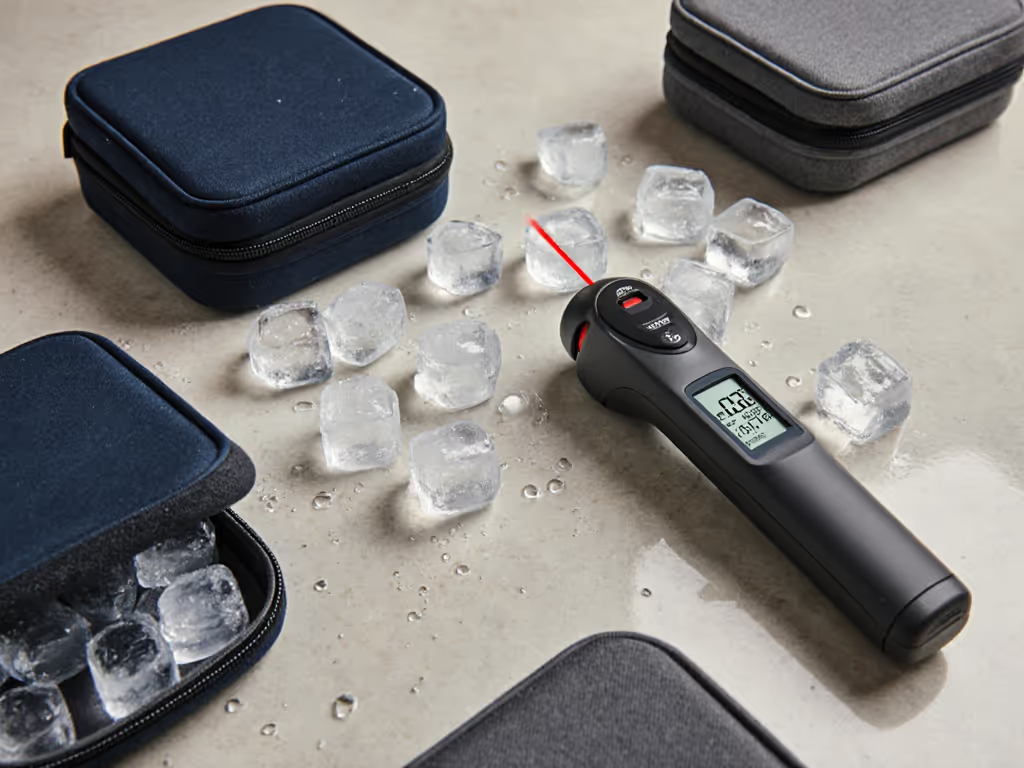
Dry ice vs regular ice debates miss the point for soft coolers. Dry ice's -109°F temperature risks melting insulation (avoid unless rated for it). Instead, combine standard ice types strategically:
| Ice Type | Best Use Case | Hold Time Impact |
|---|---|---|
| Block Ice | Base layer (30% of total) | 40% slower melt rate due to low surface area |
| Cubed Ice | Fill gaps + top layer (70% of total) | 23% faster initial cooling; fills voids |
| Rechargeable Packs | Between food/drink zones | Adds 2-4 hours; won't dilute contents |
Field-proven tactic: Layer block ice on the bottom, then packed goods, then cubed ice on top. The cubes create immediate cold immersion while the blocks sustain long-term hold. For crew coolers, add frozen water bottles (counts toward ice volume) to hit the 2:1 ratio. Drain water slowly as it melts to avoid soggy sandwiches.
Mixing raw meat and lunchables isn't just gross, it's a thermal liability. Warm drinks dragged from the top melt ice for everything below. Implement these SOPs:
Last August, a paving crew's cooler failed before lunch. Morale cratered with productivity. We rebuilt the workflow: pre-chill, shade, strict separation, and a cooler chief. Next week, temps held steady all day. The only complaint? Heavier lids, worth every ounce.
Skeptics argue the 2:1 ratio wastes space. Let's pressure-test that:
The math: Spending $3.50 in ice prevents $756 in potential downtime. That's a 21,500% ROI. Soft coolers make this feasible (their lighter weight offsets the ice load), keeping total carry weight 15-20 lbs below hard-sided equivalents at equal capacity.
Don't wing it. Run this pre-trip checklist: For layering, zoning, and organization techniques, see our cooler packing guide.
Track hold time via a $10 waterproof thermometer. If temps breach 40°F before schedule, audit ice ratio first (not the cooler).
Cold isn't a luxury; it is operational control. Spec for the worst day, not the best. When the sun hammers your worksite and opening frequency spikes, that 2:1 ratio is your only margin. Get it right, and you'll measure success in billable hours, not bailout runs for ice.
Seven field-tested accessories extend cold time, keep food safely below 40°F, and cut ice runs and waste - delivering more cold per dollar without upgrading your cooler.
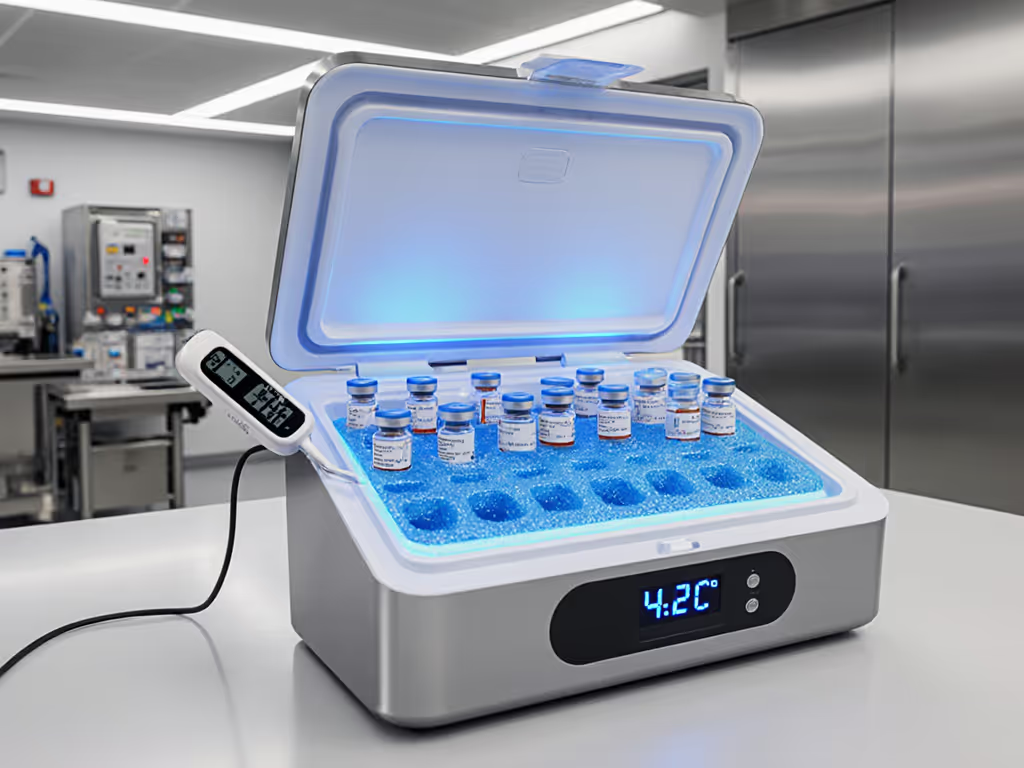
Keep medications safely between 2–8°C using lab-tested metrics and simple packing rules. Learn the exact ice-per-quart-per-hour needed, when to use 4°C gel packs, how openings cut hold time, and how to validate your setup before travel.
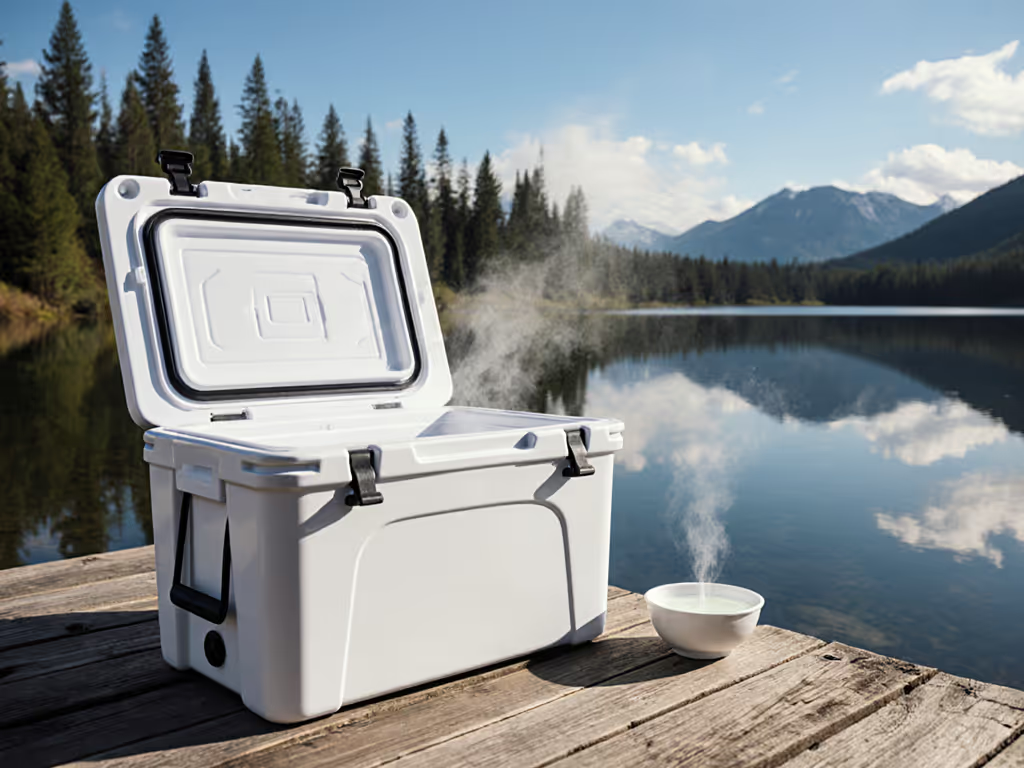
Stop musty odors at the source with a quick drain, vinegar gasket flush, and sun-dry routine, plus targeted weekly deep cleaning and smart seasonal storage. Keep the cooler sanitary, odor-free, and efficient - protecting food safety and ice life without harsh chemicals.
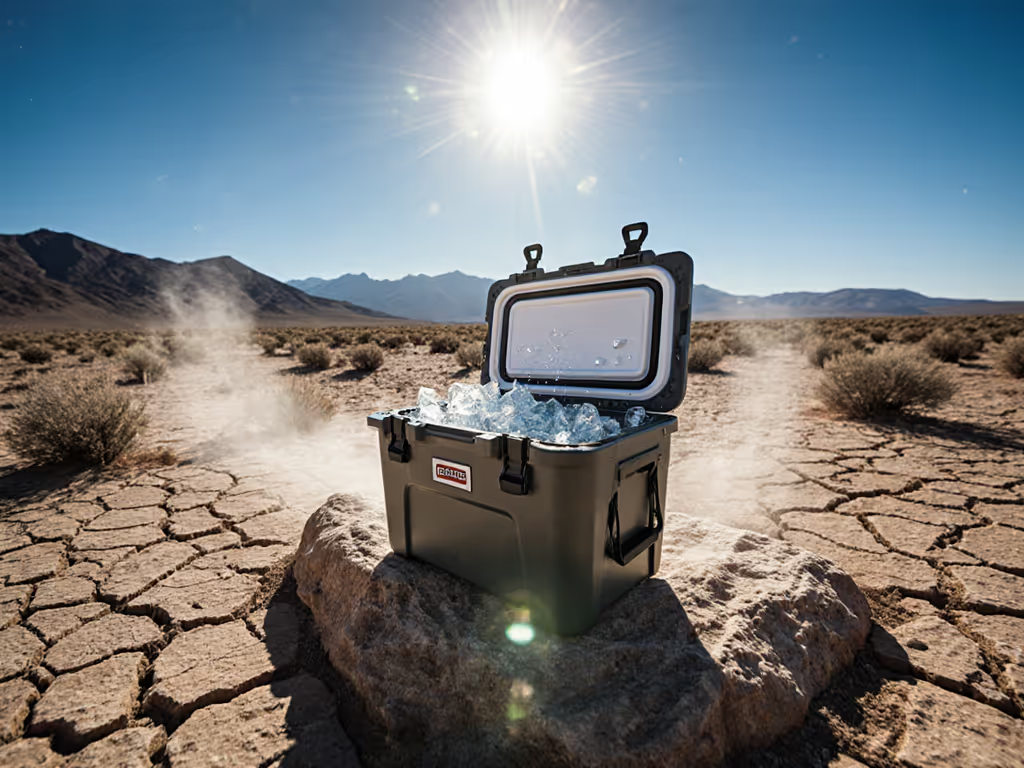
Get field-tested, climate-specific tactics to keep food safe and drinks cold while spending less - covering ice choice, pre-chilling, shade and packing techniques, smarter draining, and a simple calculator to right-size your ice. Optimize for cold hours per dollar in desert heat, tropical humidity, and freezing conditions.
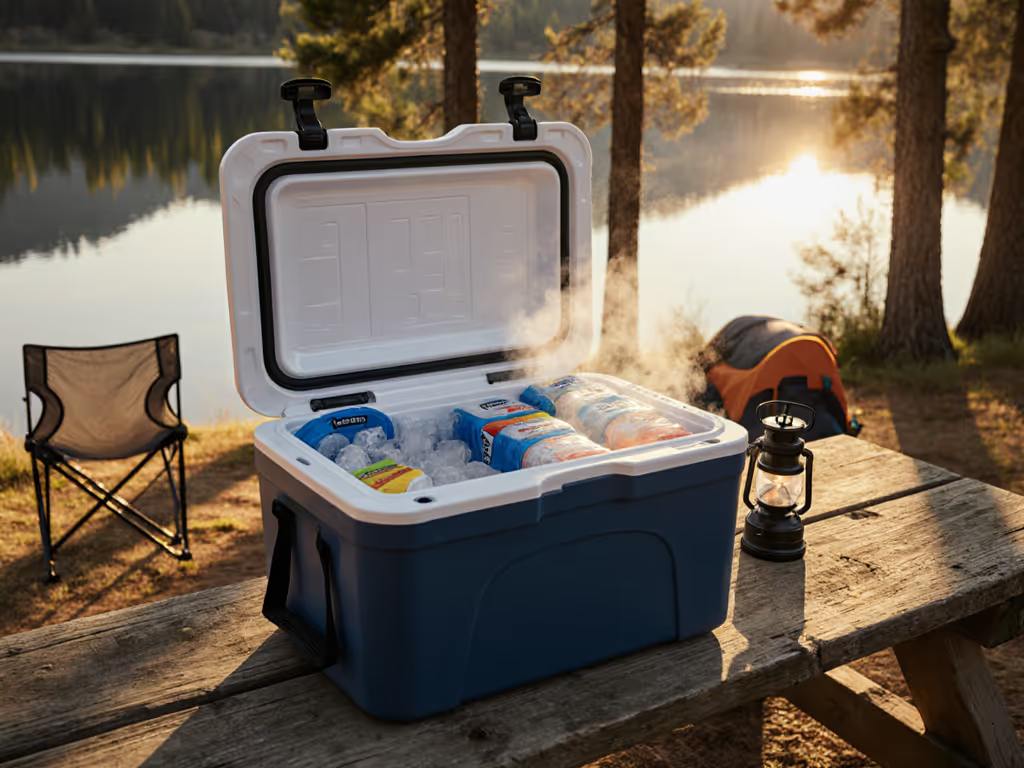
Pack for people, not charts: pre-chill from the fridge, build labeled zones, and match ice to opening patterns to keep food safe and serve faster. Shade and lid strategies plus sealed bins make access easy and teardown a 10-minute task.